
Duplin County Arrest Records
Duplin County arrest records are public documents created and stored by local law enforcement and the court system in Kenansville. Each record includes the name of the arrested individual, the criminal charge, and the booking date. The Sheriff's Office handles most arrest records, and the Clerk of Superior Court manages the related court case files. Under North Carolina law, these records are open to the public. This guide covers the primary methods for searching and obtaining arrest records in Duplin County.
Duplin County Sheriff's Office Records
The Duplin County Sheriff's Office is at 112 E Hill St in Kenansville, NC 28349. The phone number is (910) 296-2150. When a deputy makes an arrest, a booking record is created. This file notes the person's full name, the charge, the date and time, bond details, and the arresting officer. These records remain on file and are available for public inspection.
You can visit the Sheriff's Office in person to request arrest records. Bring the full name of the individual and any other identifying information you have. Staff can usually pull up a record the same day. For older records, there may be a short wait. Phone requests are also an option. Call the number above and ask to speak with the records division.
The Duplin County Detention Center also maintains booking records. These records document the intake process at the jail and include details about the inmate's housing and release status. Contact the detention center through the Sheriff's Office main line for these specific records.
Duplin County Court Case Records
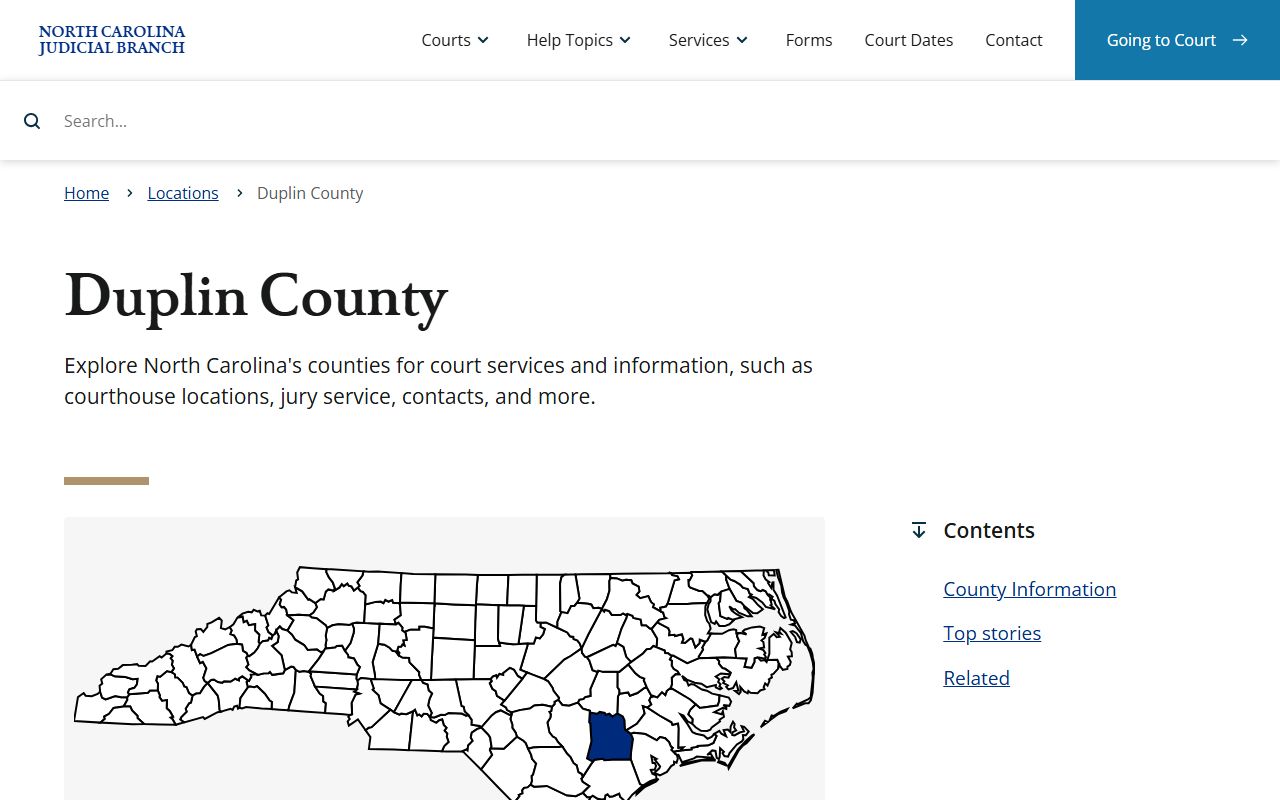
After an arrest, criminal charges move to the court system. The Duplin County Clerk of Superior Court manages court case files in Kenansville. These records contain the full history of a criminal case. They track the charges, court dates, plea agreements, trial outcomes, and any sentence imposed by the judge.
Visit the Clerk's office to search records by the defendant's name or case number. You can also use the NC Courts online portal to search case data from all 100 counties in North Carolina. This tool is free and does not require registration. Results include the charge, case status, and court location.
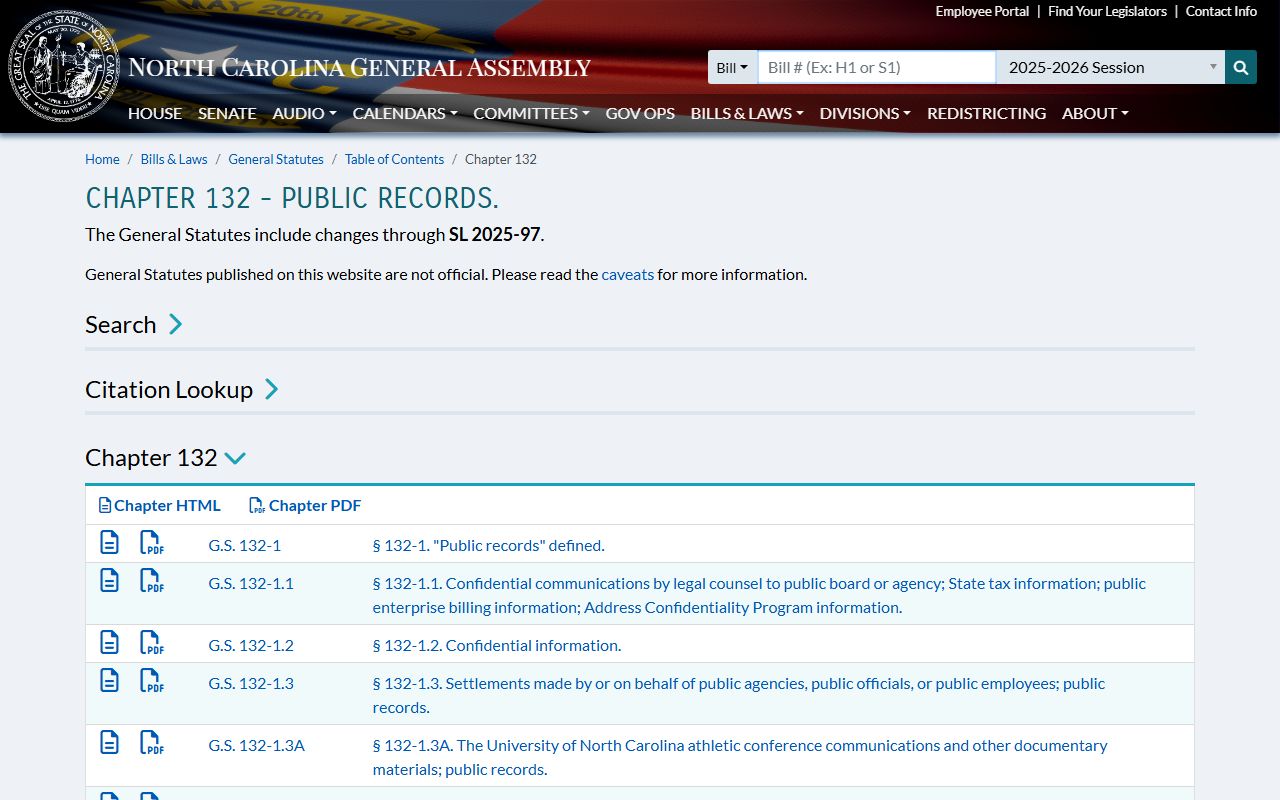
Court records provide more context than a basic arrest log. They show whether the case ended in a conviction, dismissal, or plea deal. If the person was sentenced, the record lists the terms. Under North Carolina General Statute Chapter 132, most court records are public and available for review by anyone.
Note: Active cases may have restricted portions that are not yet available for public review. Once the case is resolved, the full file typically becomes accessible.
State Resources for Arrest Records
State-level databases expand your search beyond Duplin County. The NC Department of Public Safety offender search covers individuals who have entered the state corrections system. This free tool allows searches by name or offender ID and returns information about the offense, sentence, and supervision status.
For a more thorough search, the NC State Bureau of Investigation offers background checks that draw from state and federal criminal databases. There is a fee for this service. It provides a comprehensive view of a person's criminal history across jurisdictions. The SBI processes requests from both individuals and authorized agencies.
How to Get Duplin County Arrest Records
Several methods are available for obtaining arrest records in Duplin County. The best approach depends on the type of record you need and how quickly you need it. Here are the main paths:
- Visit the Sheriff's Office at 112 E Hill St in Kenansville and request records at the front desk.
- Call (910) 296-2150 to ask about records by phone.
- Go to the Clerk of Superior Court in Kenansville for court case files.
- Use the NC Courts online portal or the DPS offender search.
- Mail a written public records request to the Sheriff's Office or Clerk's Office.
When making a request, provide the full name of the person and any additional details such as date of birth or case number. Written requests should also include your contact information and a clear description of the records you want. Most requests are fulfilled within a few business days. There may be a small fee for copies.
If you are not sure which office holds the file you need, start with the Sheriff's Office for arrest and booking records. For court case files and disposition records, the Clerk of Superior Court is the right contact. Both offices are familiar with public records requests and can guide you through the process.
Public Records Access in Duplin County
North Carolina law treats arrest records as public files. You can request them without giving a reason. The responsibility falls on the government agency to justify any denial, not on the person making the request. This right is established in G.S. 132-1.4, which addresses criminal justice records specifically.
Most adult arrest records in Duplin County are fully open. The main exceptions are sealed records, active investigation files, and juvenile cases. Expunged records will not appear in any search. For everything else, the public has clear access. If an agency delays or denies your request without valid reason, you can cite the statute and ask for a written explanation.
Note: Online databases may not reflect arrests from the past 24 to 48 hours. For the most up-to-date information, contact the Sheriff's Office or Clerk of Court directly.
Duplin County agencies generally handle records requests promptly. Being specific about what you need and providing enough identifying details makes the process smoother for everyone involved.
Duplin County covers a large rural area in southeastern North Carolina, with Kenansville as the county seat. The Sheriff's Office serves the entire county and is the primary law enforcement agency outside of any municipal police departments. All arrests made by deputies are documented at the county level and can be accessed through the methods described above.
If you are looking for older records, be aware that some files may be archived. Archived records are still accessible, but retrieval may take additional time. Contact the Sheriff's Office or Clerk of Court before your visit to confirm availability and ask about any processing requirements or copy fees that may apply to your request.